
Owning a home in Oakville means keeping up with a steady list of small repairs and installations that seem simple on their own but pile up fast. A cabinet hinge that squeaks, a sliding door that jumps its track, a TV still sitting on the floor because the wall mounting never got done — these things matter more than they seem. Left too long, minor issues become bigger ones, and bigger ones cost more to fix.
Homeowners across Oakville, from the older streets of Old Oakville near Lakeshore Road to newer builds in Joshua Creek and Iroquois Ridge, deal with the same reality: finding reliable, skilled handyman services in Oakville Ontario that actually show up, communicate clearly, and finish the job right. That is what Handyman Oakville Ontario was built to do.
This guide walks through the most common repair and installation needs for Oakville homeowners, what to expect from professional home service, and how to decide when it makes sense to handle something yourself versus when calling a local handyman is the smarter move.
Dishwasher repair Oakville | Handyman Oakville Ontario
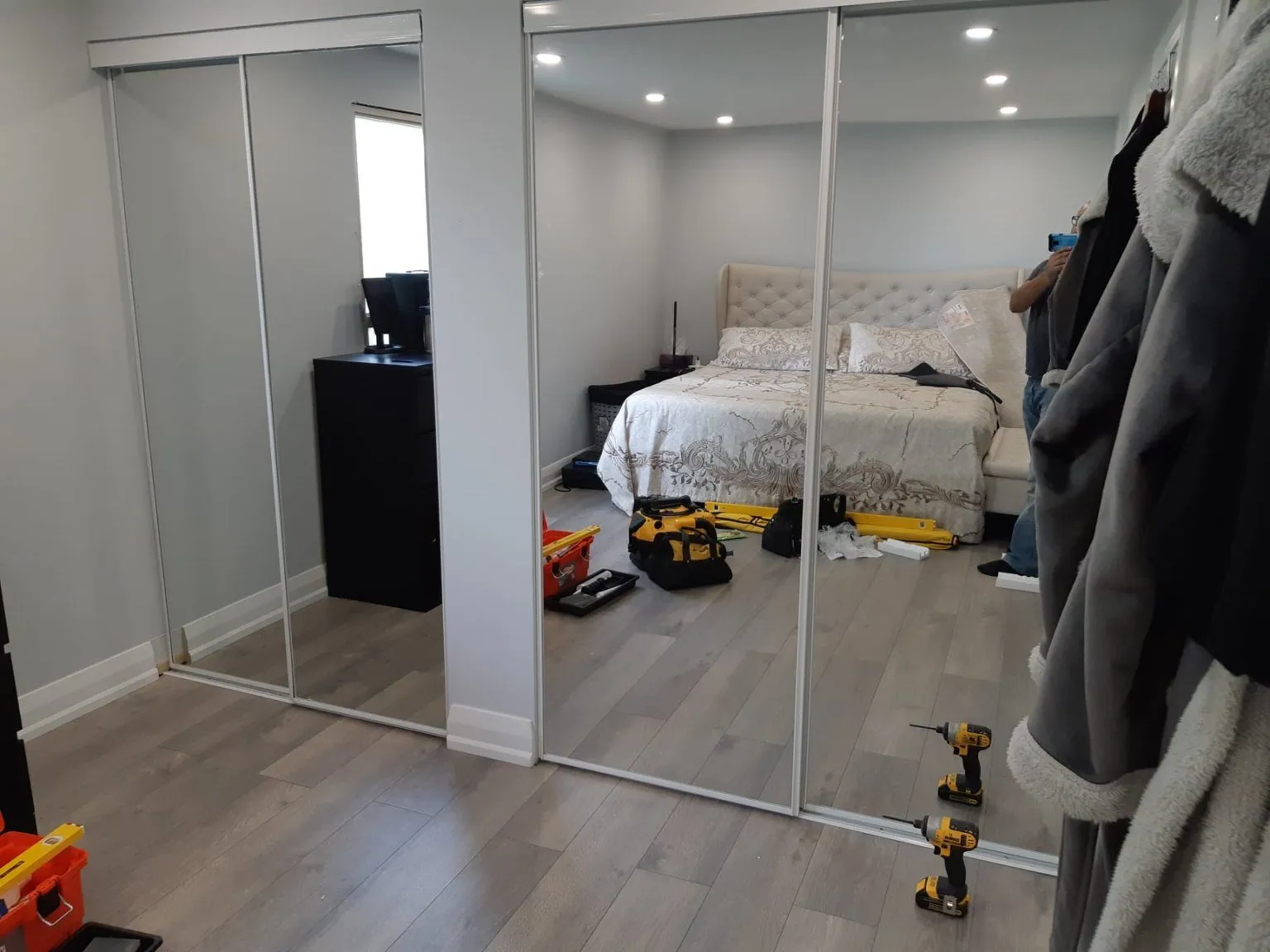
The list of tasks that fall into handyman territory is longer than most people realize. It is not just emergency repairs — it is the ongoing category of jobs that are too involved for a quick DIY fix but do not require a licensed contractor or a full renovation crew.
In most Oakville homes, the most requested jobs include TV mounting, furniture assembly, drywall patching, door adjustments, shelving installation, cabinet hardware replacement, and appliance troubleshooting. These are not glamorous jobs, but they are the ones that genuinely improve how a home feels and functions day to day.
Condo owners along Dorval Drive and detached homeowners in Glen Abbey often have the same short list: a few things that have been sitting on the to-do list for weeks. A professional handyman can typically knock out three or four of those tasks in a single visit, which is a far better use of time than spreading them across multiple weekends.
Landlords and property managers dealing with rental properties also lean heavily on residential repair help between tenants. Move-in repairs, touch-up painting, fixture installation, and door hardware replacement are all tasks that need to happen quickly before a new tenant moves in.
The key is finding someone who can handle multiple trades at a competent level — not a specialist in one thing, but a skilled generalist who understands how a house works. That is the practical definition of a good handyman.
In Oakville's Halton Region, where homes range from 1970s splits near College Park to modern builds in the Uptown Core, the variety of work that comes through is broad. Knowing how to adapt to different home ages, materials, and layouts is part of the job.
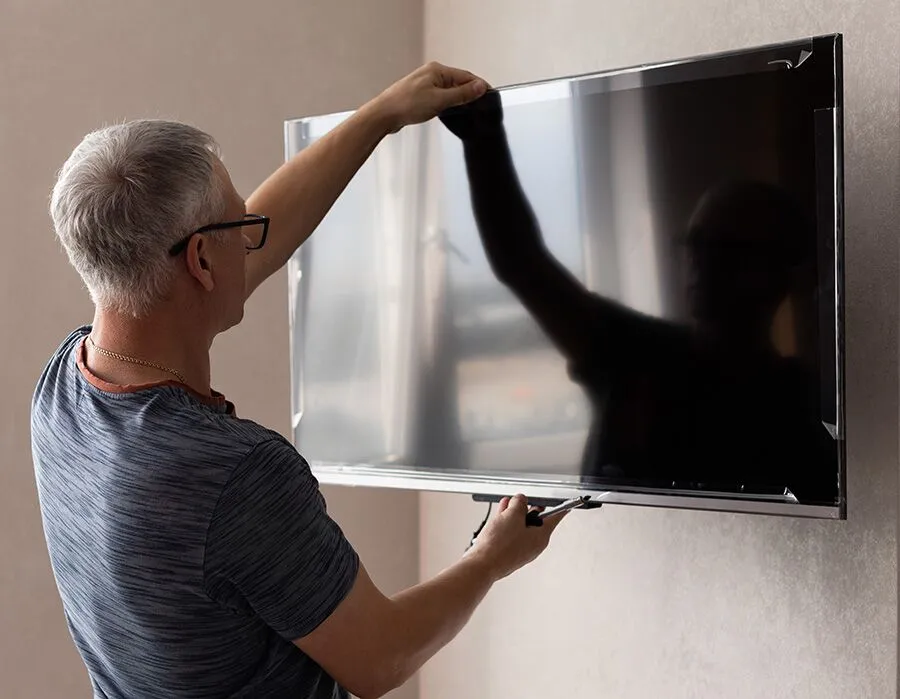
Few jobs in a home look simple and turn out to be more involved than TV mounting. The wall material, stud spacing, cable management, and mount type all affect the outcome. Done poorly, a mounted TV can sag, tilt, or — worst case — pull out of the wall entirely if anchors are placed incorrectly.
Using a stud finder before drilling is non-negotiable. In older homes near Kerr Village or along Lakeshore Road, walls can have unexpected stud spacing or plaster over drywall, which changes how anchors behave. A professional knows to test the wall first rather than assume standard construction.
Cable management is the detail that separates a clean install from a messy one. Running cables through the wall or routing them through a raceway keeps the finished result looking intentional rather than like an afterthought. Most homeowners are surprised at how big a visual difference this makes.
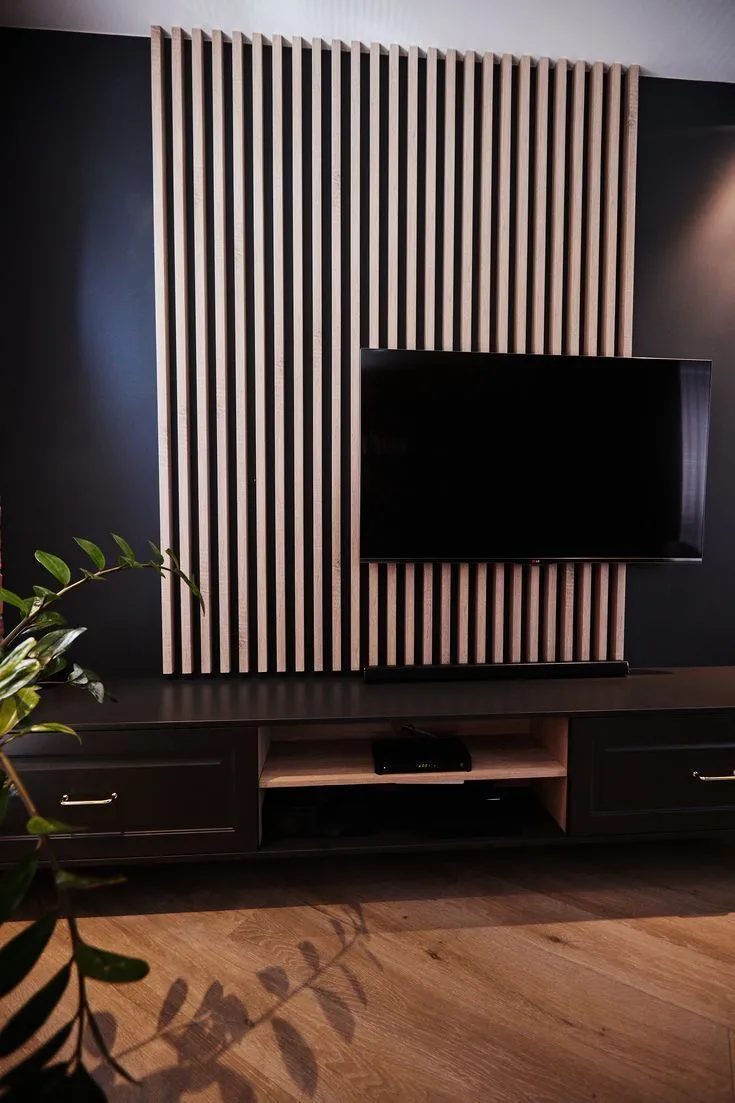
For media wall and TV wall unit installations, the planning stage matters more than the physical installation. Measuring the wall, confirming stud locations, accounting for outlet placement, and deciding on shelf heights before a single screw goes in will save time and prevent mistakes.
In living rooms and home offices across Oakville — whether in a River Oaks townhome or a newer build near Neyagawa Boulevard — a well-mounted TV and organized media setup adds real visual and functional value to the space.
Closet space is one of the most undervalued parts of any home. A closet with a well-organized shelving system — adjustable shelves, dedicated hanging sections, drawer units — genuinely changes how usable the space is. It is also one of the most impactful improvements a homeowner can make without touching the structure of the home.
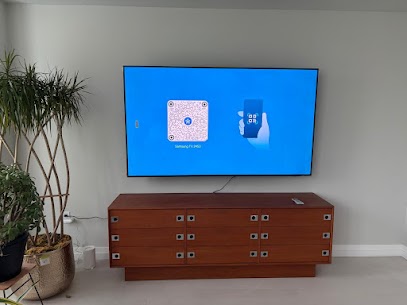
Custom closet solutions in Oakville homes typically involve measuring the existing space, selecting a compatible shelving system, and installing it so that everything sits level, secure, and at the right heights for the people using it. A standard install in a bedroom closet can take a few hours; a walk-in closet with multiple zones takes longer but transforms the space.
Sliding mirror doors are one of the most common repair calls in Oakville homes. The rollers wear down over time, the bottom guide cracks, or the door comes off its track entirely. In many cases, the door just needs the top roller replaced and the track cleaned — a repair that takes under an hour if the right replacement hardware is on hand.
In homes along Upper Middle Road or near Bronte Harbour, older sliding doors from the 1980s and 1990s often have proprietary track systems that require specific hardware. Knowing where to source those parts and how to properly reinstall the door is what separates a clean repair from a temporary fix that fails again in three months.
For new sliding mirror door installations, the key is getting the track level before any other work starts. Even a few millimetres of deviation will cause the door to drift or bind. This is where taking an extra ten minutes with a level and measuring tape pays off.
Whether the closet is a small reach-in or a full walk-in system, proper installation means the doors open and close smoothly, the shelves hold weight without deflecting, and the overall result looks finished rather than improvised.
Drywall damage is one of the most common issues in any lived-in home. A door handle punches through a wall, an old TV mount leaves a large hole, a plumbing repair leaves a section of drywall cut out, or decades of minor dings have left a wall looking tired. The repair process is straightforward in concept but requires patience and skill to execute invisibly.
Small holes — anything under about two inches — can typically be filled with a lightweight compound, sanded, and painted in a single visit. Larger holes, anything over four inches, usually need a backing patch or a California patch before compound work begins. For very large sections, cutting back to the nearest studs and installing a new piece of drywall is the cleaner approach.
Texture matching is where most DIY drywall repairs fall apart. A smooth wall is one thing, but matching an orange peel texture, a knockdown finish, or an older stipple pattern requires practice. In most Oakville homes we encounter, the existing texture is either a light orange peel or a hand-applied knockdown — both are achievable with the right spray or technique, but they take more than one pass to get right.
After patching comes priming and painting. Skipping the primer coat almost always results in a visible repair, even when the paint colour is a perfect match. New compound absorbs paint differently than existing drywall, and the primer seals that difference.
Bathrooms and laundry rooms near Trafalgar Road and Bronte Road often have moisture-related drywall issues — bubbling, soft spots, or minor delamination. In those cases, it is worth assessing the source of the moisture before patching, because covering a wet problem with fresh drywall just delays the next repair.
For rental properties or homes going on the market, drywall repair is one of the highest-return small investments a homeowner can make. A wall in good condition reads as a well-maintained home.
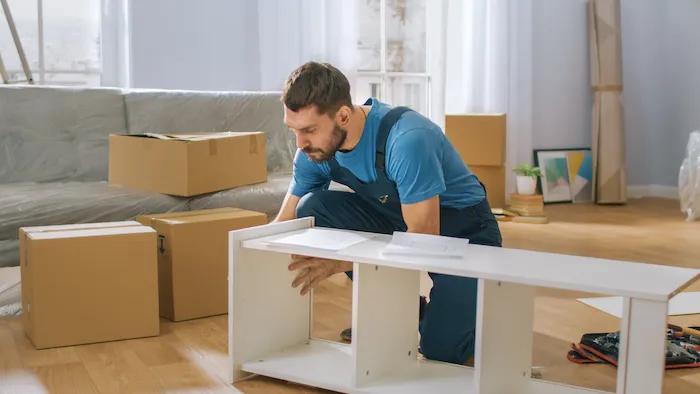
Flat-pack furniture has become a fixture in Oakville homes, from IKEA wardrobes in Uptown Core condos to home office setups in newer builds near Joshua Creek. The instructions are designed to be followable, but the reality is that assembling large pieces — especially wardrobes, bunk beds, or multi-unit shelving systems — is significantly easier and faster with two people and some experience.

A professional furniture assembly visit can cover several pieces in a single appointment. Bookshelves, bed frames, dining tables, media consoles, home office desks — these can typically be assembled in sequence during one visit rather than spread across a weekend.
The thing most homeowners do not realize about flat-pack furniture is that the assembly sequence matters. Installing the back panel too late, or not aligning the dowels before pressing a joint, leads to a piece that looks fine but has permanent stress points. Doing it right the first time means the furniture lasts longer.
Appliance repair is a different category. For many common issues — a dryer that runs but produces no heat, a dishwasher that does not drain, a fridge that is not cooling efficiently — the underlying cause is often a component that can be tested and replaced. This is skilled diagnostic work, not guesswork.
Homeowners often delay appliance repair because they assume a new appliance is the only answer. In many cases, a malfunctioning unit is one component away from full function again — a heating element, a drain pump, a door seal — and a repair costs a fraction of a replacement.
For Oakville homeowners managing tight schedules, combining a furniture assembly and a minor appliance check into one service visit is a practical option that residential repair help providers can accommodate.
Light fixtures, ceiling fans, dimmer switches, and outlet replacements are jobs that significantly affect how comfortable and functional a home feels. Many homeowners in Oakville, particularly in homes built in the 1980s and 1990s near College Park or along Dundas Street, are still running on original electrical fixtures that are outdated, inefficient, or cosmetically tired.
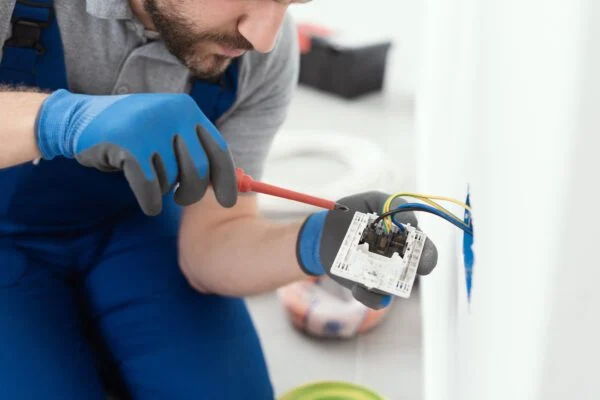
Swapping a basic ceiling fixture for a modern one, adding a dimmer switch to a living room circuit, or replacing a two-prong ungrounded outlet with a properly grounded three-prong outlet are the kinds of upgrades that improve both comfort and safety.
It is worth noting that homeowners should work with professionals who understand safe electrical practices, particularly when any work involves the panel or existing wiring. Many homeowners prefer the peace of mind that comes with knowing a job was done correctly and safely, especially where outlets or switches are involved.
Bathroom and kitchen fixture replacements — replacing a vanity light bar, swapping a faucet, or installing under-cabinet lighting — are tasks that sit right at the intersection of handyman work and light installation. These are not major electrical projects, but they require confidence with wiring connections and proper fixture mounting.
In older homes near Old Oakville, aluminum wiring is sometimes present, which changes how electrical work should be approached. Being aware of what is in a wall before opening it is part of doing this kind of work responsibly.
For homeowners considering light fixture upgrades or outlet replacements as part of a broader home improvement, these jobs pair well with other handyman tasks and can often be handled in the same visit as drywall patching or shelving installation.
Homeowners in Oakville are capable people. Many handle smaller repairs without any help, and that is entirely appropriate. Knowing the honest line between what is manageable at home and what genuinely benefits from professional hands is useful information, not a sales pitch.
Tightening a loose cabinet hinge is a five-minute job with a screwdriver — there is no reason to call anyone for that. Replacing a light switch cover plate, touching up small paint scuffs, or assembling a simple two-piece piece of furniture are all reasonable DIY territory.
Cutting and patching drywall to match existing texture is not. Mounting a 75-inch TV on a concrete or tile wall is not. Installing a custom closet system that needs to be level, plumb, and load-bearing is not. Diagnosing why an appliance has stopped working is not.
The pattern is simple: if a mistake is hard to reverse, expensive to fix, or potentially unsafe, the job belongs with someone who does it regularly. A botched drywall patch that has to be redone costs more than getting it right the first time. A TV that falls off a wall is a safety issue and an expensive outcome.
Time is also a real factor. A job that takes a professional two hours can take a homeowner an entire weekend — including a hardware store trip, a second hardware store trip for the thing forgotten on the first one, and a YouTube tutorial pause session. That time has real value.
Honest advice from any skilled local handyman should include acknowledging when a job is outside the scope of handyman work entirely — when a licensed electrician, plumber, or structural contractor is the right call. Good handyman work knows its own limits.
Dishwasher repair Oakville is often needed when a kitchen appliance starts leaking, stops draining, leaves dishes dirty, or makes unusual sounds during a wash cycle. For many homeowners, the problem feels urgent because the dishwasher is connected to daily routines, kitchen plumbing, electrical components, cabinetry, and flooring.
Explore our latest resources, guides, and helpful information.